
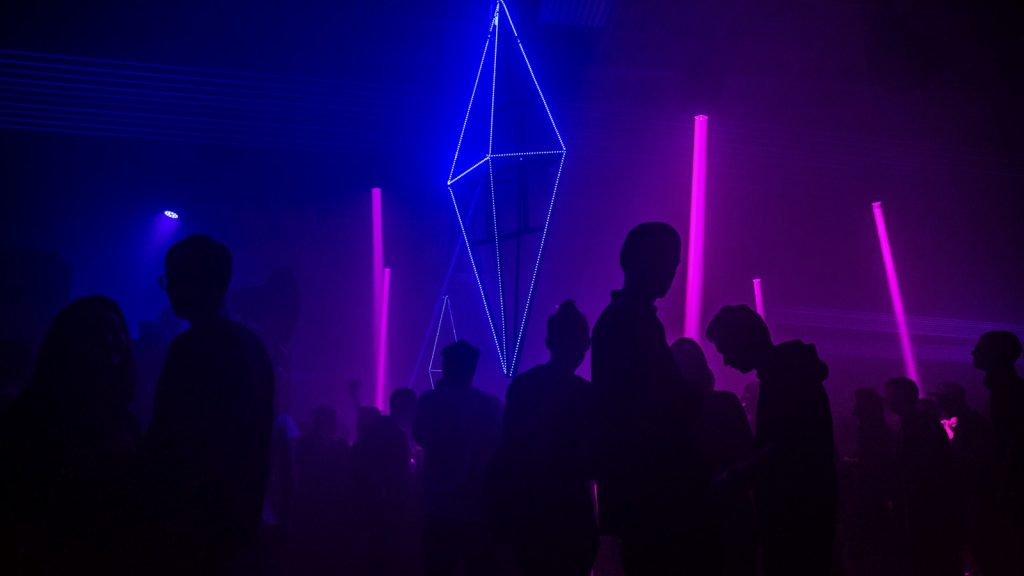
There is a moment — usually around 3 AM, usually outdoors, usually somewhere the air is warm enough that your skin feels like it belongs to the night — when an afro house track drops and the entire dancefloor shifts into something collective. The percussion is not asking you to dance. It is reminding your body that it already knows how. That is what afro house music does. It bypasses the intellect and speaks directly to something older.
I have played records on dancefloors from Johannesburg to Ibiza, from Tulum to Berlin, and nothing moves a crowd quite like the moment African-rooted rhythms meet electronic production. Afro house is not just a genre — it is a conversation between continents, between analog and digital, between ancestral rhythm and the future of dance music.
This guide is a deep dive into where afro house comes from, who is shaping it, what tracks define it, and where it is headed. Whether you are hearing the term for the first time or you have been deep in the crates for years, there is something here for you.
What Is Afro House?
Afro house is a subgenre of house music that fuses traditional African musical elements — polyrhythmic percussion, indigenous instrumentation, vocal chants, and melodic structures rooted in African musical traditions — with the four-on-the-floor kick drum and electronic production techniques of house music. It typically ranges from 118 to 128 BPM and is characterized by layered percussion, deep basslines, organic textures, and an emphasis on rhythm as narrative rather than mere timekeeping.
What distinguishes afro house from other forms of house music is its relationship with source material. Where deep house draws from jazz and soul, and tech house leans on minimalism and repetition, afro house is in constant dialogue with the musical traditions of Sub-Saharan Africa — particularly South Africa, Angola, and the broader Southern African region. The drums are not sampled loops placed on a grid. They breathe. They push and pull against the quantized kick. That tension — between the organic and the electronic — is what gives afro house its unmistakable energy.
Within the broader electronic music landscape, afro house sits at an intersection that touches organic house, melodic house, tribal house, and Afro tech. These boundaries are porous by design. The genre resists rigid categorization, which is part of its power and part of what makes it so compelling to producers and DJs who work across stylistic lines.
The Origins of Afro House: South Africa and Beyond
Kwaito and the Foundation
To understand afro house, you have to understand what came before it. In the early 1990s, as apartheid was ending in South Africa, a generation of young Black South Africans created kwaito — a genre that slowed down house music to around 100-115 BPM and layered it with Zulu, Sotho, and township slang vocals, piano loops, and heavy bass. Artists like Arthur Mafokate, Brenda Fassie, and Boom Shaka defined this era. Kwaito was not just music — it was the sound of a newly free nation figuring out its identity.
Kwaito proved something essential: that house music, which had arrived in South Africa from Chicago and New York in the late 1980s, could be absorbed, transformed, and given back to the world as something unmistakably African. This was the cultural blueprint that afro house would later build upon.
Tribal House and the Bridge
Through the late 1990s and early 2000s, producers in South Africa and across the continent began experimenting with what was loosely called “tribal house” — uptempo house tracks built around African percussion, often featuring djembe, talking drums, shakers, and call-and-response vocal arrangements. Labels like Nulu Music and producers like Osunlade (operating from a diasporic perspective in the US) helped bridge African rhythmic traditions with the international house music scene.
In parallel, South African producers were developing a distinct local sound. DJs like Vinny Da Vinci and Christos were championing deep and soulful house with African elements in Johannesburg’s club scene, creating fertile ground for what would emerge next.
The Emergence of Afro House (2008-2015)
The term “afro house” began gaining traction in the late 2000s and early 2010s as a critical mass of South African producers developed a sound that was clearly distinct from both kwaito and the imported deep house that dominated Johannesburg’s clubs. This period saw the rise of artists who would become the genre’s founding figures.
Culoe De Song is widely recognized as one of the earliest producers to define the modern afro house sound. His 2009 debut album A Giant Leap blended Zulu musical traditions with deep, hypnotic house production in a way that felt unprecedented. Tracks like “Webaba” and “Rambo” demonstrated that African instrumentation could anchor a house track rather than merely decorate it.
Black Coffee — born Nkosinathi Innocent Maphumulo in Durban, South Africa — is arguably the single most important figure in bringing afro house to global audiences. His 2005 debut Black Coffee and subsequent albums built a bridge between Johannesburg’s house scene and the international circuit. By the early 2010s, his sets at venues like Hi Ibiza and festivals like Coachella were introducing millions of listeners to afro house for the first time. His 2022 Grammy Award for Best Dance/Electronic Album (Subconsciously) marked a watershed moment for the genre’s recognition in the Western music industry.
Da Capo, another South African producer, helped refine the more melodic, atmospheric side of afro house. His work on labels like Soulistic Music and later Objektivity demonstrated the genre’s capacity for emotional depth and cinematic scope.
This period also saw the rise of key labels: Soulistic Music (Black Coffee’s imprint), Offering Recordings, MoBlack Records (founded in Italy by Moblack, becoming a crucial conduit between African and European scenes), and Watergate Records — all of which became institutional pillars of the genre.
Key Afro House Artists and DJs
The afro house landscape is rich with talent spanning multiple generations and geographies. Here are the artists and afro house DJs who have shaped — and continue to shape — the genre.
The Pioneers
- Black Coffee — The genre’s most globally recognized ambassador. Known for marathon sets that weave afro house with deep house and soulful textures. His residency at Hi Ibiza and his Grammy win cemented afro house in mainstream electronic music consciousness.
- Culoe De Song — A foundational figure whose early work defined the sonic palette of South African afro house. His production style — deep, percussive, rooted in Zulu musical language — remains influential.
- Osunlade — Operating from the diaspora (born in St. Louis, based between Santorini and the US), Osunlade’s work on his label Yoruba Records has been pivotal in connecting African musical traditions with the global house community since the early 2000s.
The New Guard
- Enoo Napa — A South African producer known for lush, layered productions that blur the line between afro house and organic house. His releases on labels like MoBlack and Offering Recordings are essential listening for anyone exploring the genre.
- Caiiro — Born in Mpumalanga, South Africa, Caiiro has become one of the most prolific and innovative voices in contemporary afro house. Tracks like “Spirits” and his album Agora showcase a sound that is deeply percussive yet emotionally expansive.
- Sun-El Musician — Known for the massive crossover hit “Akanamali” (featuring Samthing Soweto), Sun-El Musician represents the more melodic, song-driven side of afro house. His ability to craft tracks that work both on the dancefloor and on streaming playlists has been key to the genre’s growing audience.
- Shimza — Ashley Shimza Oliphant is both a DJ and an entrepreneur who has been instrumental in building afro house’s infrastructure. His One Man Show events in South Africa draw tens of thousands, and his DJ sets — technically brilliant, high-energy affairs — have made him a fixture at international festivals.
- Kususa — The South African duo (Kalunda and Kususa) represent the deeper, more hypnotic end of afro house. Their productions are built on intricate percussion patterns and slow-building tension, perfect for extended sets.
- Da Capo — His evolution from early deep house leanings to fully realized afro house productions has been one of the genre’s most compelling artistic arcs.
The International Bridge
- Keinemusik (&ME, Rampa, Adam Port) — The Berlin-based collective has drawn heavily on afro house influences, particularly in the work of &ME, whose track “The Rapture” became one of the decade’s defining crossover moments between afro house and melodic techno.
- Pablo Fierro — Born in Cape Verde and based in Europe, Fierro’s productions are a direct bridge between West African musical traditions and European club culture.
- Hyenah — Part of the Freerange/Watergate axis, Hyenah has been crucial in championing afro house sounds in European club contexts.
Essential Afro House Songs and Releases
Any list of essential afro house tracks is inherently incomplete — the genre’s catalog is vast and growing daily. But these are records that have defined moments, shifted dancefloors, and pushed the genre forward. Consider this a starting point, not a canon.
Foundational Tracks
- Black Coffee & Ribatone — “Even Though” — One of the earliest tracks to bring the South African house sound to international attention. The vocal, the piano, the restraint — it set a template.
- Culoe De Song — “Webaba” — A masterclass in tension and release. Zulu vocal samples over deep, rolling percussion. This is where many people first heard what afro house could be.
- Black Coffee feat. Bucie — “Superman” — A deeply emotional track that demonstrated afro house’s capacity for songwriting, not just production.
- Osunlade — “Envision” (Da Capo Remix) — Da Capo’s reimagining of this Yoruba Records classic is a bridge between two generations of the genre.
Modern Essentials
- Caiiro — “Spirits” — Percussive, propulsive, and haunting. A track that feels ancient and futuristic simultaneously.
- Sun-El Musician feat. Samthing Soweto — “Akanamali” — The crossover hit that introduced millions to afro house’s melodic potential. Over 100 million streams and counting.
- Enoo Napa — “Last Tribe” (Original Mix) — Deep, atmospheric, and rhythmically complex. A track that rewards patience and close listening.
- &ME — “The Rapture” — Perhaps the single most important track in introducing afro house influences to the European techno and melodic house audience.
- Shimza — “Calling Out Your Name” — A high-energy, percussive bomb that captures the electricity of Shimza’s legendary live sets.
- Kususa — “Amasiko” — A deep, hypnotic journey that demonstrates the genre’s capacity for extended, trance-like experiences.
Albums Worth the Full Listen
- *Black Coffee — Subconsciously (2021)* — The Grammy-winning album that brought afro house to the global mainstream.
- *Caiiro — Agora (2020)* — A cohesive statement that showcases the range of contemporary afro house.
- *Culoe De Song — A Giant Leap (2009)* — The album that arguably started it all.
For anyone looking to explore these afro house songs and more, curated playlists and mixes remain the best entry point. A great afro house mix will take you on a journey that no playlist algorithm can replicate — it is about sequencing, tension, and the DJ’s relationship with the music.
Subgenres and Related Styles
Afro house does not exist in isolation. It is part of a broader ecosystem of styles that overlap, influence each other, and frequently defy categorization. Understanding these adjacent genres helps map the full landscape.
Afro Tech
A higher-energy, more club-focused variant that emphasizes driving rhythms, darker textures, and the influence of European techno production techniques on African rhythmic foundations. Artists like Shimza and Kususa often operate in this space. Think of it as afro house with the intensity turned up — 124-130 BPM, heavier kicks, more aggressive percussion.
Organic House and Downtempo
Organic house shares afro house’s emphasis on natural instrumentation and world music influences but tends toward slower tempos (110-120 BPM) and more ambient, meditative textures. This is where afro house meets the Cafe Del Mar aesthetic — sunset sets, open-air terraces, the moment before the night begins. Artists like Sabo, Goldcap, and the Madorasindahouse collective work in this intersection.
Melodic House and the Crossover
The crossover between afro house and melodic house has been one of the most significant developments in electronic music over the past five years. Producers and DJs who can navigate both worlds — drawing on African rhythmic foundations while employing the harmonic and melodic sophistication of European melodic house — have become some of the most sought-after artists on the international circuit.
This is precisely the intersection where BLOND:ISH operates. Having spent over 15 years building a catalog of over 390 releases, Vivie-Ann Bakos has developed a sound that draws from afro house’s rhythmic vocabulary while incorporating melodic house’s emotional architecture, organic house’s textural richness, and a deep personal connection to the music cultures of Africa, the Middle East, and Latin America. Her sets frequently weave afro house tracks from artists like Enoo Napa and Caiiro alongside melodic house, creating a sonic narrative that mirrors the genre-fluid direction the broader scene is moving in.
Amapiano
No conversation about the current state of African electronic music is complete without mentioning amapiano — the South African genre that has exploded globally since the late 2010s. While distinct from afro house (amapiano is characterized by its log drum bass, jazz-influenced piano, and distinctive shaker rhythms at around 110-115 BPM), it shares DNA with it. Many afro house producers and DJs incorporate amapiano elements, and the genre’s global success has opened doors for all forms of African electronic music.
Where to Hear Afro House: Festivals, Clubs, and Events
Afro house is a live music culture. While streaming playlists and online mixes are valuable entry points, the genre is best experienced in the spaces it was designed for — dancefloors, festivals, and outdoor gatherings where the music has room to breathe and the connection between DJ, system, and crowd can do its work.
Key Festivals
- Sónar (Barcelona) — Increasingly featuring afro house and Afro tech on its programming.
- DGTL (Amsterdam, various cities) — A festival with strong sustainability commitments that has championed afro house artists.
- Zamna (Tulum) — The jungle setting and open-air production align perfectly with afro house’s organic textures.
- Afriburn (South Africa) — The Burning Man regional event that is deeply connected to the South African electronic music community.
- Ibiza season — Venues like Pacha, DC-10, and Hi Ibiza regularly feature afro house in their programming, particularly during sunset and opening sets.
Clubs and Venues
- Shimza’s One Man Show (South Africa) — An annual event that has become one of the largest single-artist electronic music events in the world.
- Black Coffee at Hi Ibiza — The residency that became a gateway to afro house for the European and international clubbing audience.
- Watergate (Berlin) — A club with deep ties to the afro house community through its label and programming.
How BLOND:ISH Brings Afro House to Global Stages
Having played festivals and clubs across six continents — from Burning Man to Sonar, from the deserts of the Middle East to the beaches of Tulum — BLOND:ISH has been one of the artists most responsible for bringing afro house and its adjacent styles to audiences who might not have encountered them otherwise. Her sets are known for building bridges between scenes: a Caiiro percussion track might lead into a melodic house moment, which flows into an organic house interlude before landing on a deep afro tech groove.
This cross-pollination is not just an artistic choice — it reflects the reality of how afro house exists in the world. It is not a walled garden. It is a living, breathing tradition that absorbs and gives back in equal measure.
Beyond the music, BLOND:ISH’s Bye Bye Plastic initiative has connected sustainability activism with the dance music community, bringing environmental consciousness to the same stages and festivals where afro house thrives.
The Future of Afro House Music
Afro house is not a trend. It is a genre with deep roots that is only now beginning to receive the global recognition it deserves. Several developments point to where the genre is headed:
Growing mainstream recognition. Black Coffee’s Grammy win was a milestone, but the broader trend is clear — streaming platforms, major labels, and international festivals are paying more attention to African electronic music than ever before.
Technology and access. As production tools become more accessible across the African continent, the pipeline of talent is expanding rapidly. Producers in Lagos, Nairobi, Accra, and Dakar are bringing new regional influences to the genre, expanding its sonic palette beyond its South African epicenter.
Genre fluidity. The most exciting developments are happening at the borders — where afro house meets melodic house, where Afro tech intersects with European techno, where amapiano and afro house exchange ideas. Artists who can navigate these intersections, including BLOND:ISH and her peers, are defining the next chapter.
Live instrumentation. An increasing number of afro house producers and performers are incorporating live percussion, vocals, and instrumentation into their sets and productions, pushing the genre further from the laptop-and-CDJ paradigm and toward something more visceral and unpredictable.
The dancefloor does not lie. And right now, dancefloors around the world are telling us that the rhythms at the heart of afro house music — rhythms that have existed for centuries in various forms — are the rhythms people want to move to. The genre’s future is as expansive as the traditions it draws from.
Frequently Asked Questions
What is afro house music?
Afro house music is a subgenre of house music that combines traditional African musical elements — including polyrhythmic percussion, indigenous instruments, vocal chants, and African melodic structures — with electronic music production techniques. It originated primarily in South Africa in the late 2000s, building on the foundations of kwaito, tribal house, and deep house. The genre typically ranges from 118 to 128 BPM and is known for its layered rhythms, organic textures, and emphasis on percussion as a central narrative element.
Who are the best afro house DJs?
The best afro house DJs span multiple generations and styles. Black Coffee is the genre’s most globally recognized figure, having won a Grammy in 2022. Other essential afro house artists include Culoe De Song, Shimza, Da Capo, Enoo Napa, Caiiro, Sun-El Musician, and Kususa. International DJs like BLOND:ISH, &ME (of Keinemusik), and Pablo Fierro have also been instrumental in bringing afro house to global audiences through their genre-crossing sets.
What is the difference between afro house and amapiano?
While both genres originate from South Africa and share some musical DNA, they are distinct styles. Afro house is built on a four-on-the-floor kick drum pattern with layered African percussion, typically at 120-128 BPM. Amapiano features a distinctive log drum bass, jazz-influenced piano melodies, and unique shaker rhythms at a slower tempo of around 110-115 BPM. Amapiano also has a stronger vocal and pop-music orientation, while afro house tends to be more DJ- and dancefloor-focused.
What are the best afro house songs to start with?
For newcomers to the genre, start with these essential tracks: “Even Though” by Black Coffee & Ribatone, “Akanamali” by Sun-El Musician feat. Samthing Soweto, “Spirits” by Caiiro, “The Rapture” by &ME, and “Webaba” by Culoe De Song. For a deeper dive, Black Coffee’s Grammy-winning album Subconsciously and Caiiro’s Agora are excellent full-length introductions to the range of afro house.
Where did afro house originate?
Afro house originated primarily in South Africa, developing from the confluence of several musical traditions: kwaito (the slowed-down house music that soundtracked post-apartheid South Africa in the 1990s), tribal house, and the deep house that was popular in Johannesburg’s club scene in the 2000s. While South Africa remains the genre’s spiritual home, afro house now has significant scenes in Angola, Mozambique, and across the African continent, as well as diasporic communities in Europe and the Americas.
Is afro house mainstream?
Afro house has moved significantly toward the mainstream in recent years, particularly following Black Coffee’s Grammy win in 2022 and the global explosion of amapiano, which has increased interest in all forms of African electronic music. Major streaming platforms now feature dedicated afro house playlists, and the genre is regularly programmed at major international festivals. However, it retains a strong underground identity and community-driven culture that distinguishes it from fully mainstream electronic genres like EDM.
How is BLOND:ISH connected to afro house?
BLOND:ISH (Vivie-Ann Bakos) is a Canadian-born, Ibiza-based DJ and producer who has been one of the key figures bridging afro house with melodic house and organic house on the international circuit. With over 390 releases spanning 15+ years and extensive experience playing in South Africa and across Africa, BLOND:ISH incorporates African-influenced rhythms and afro house tracks into genre-crossing sets that have introduced the sound to audiences at major festivals and venues worldwide. She is also the founder of Bye Bye Plastic, a sustainability initiative within the music industry.
Want to experience afro house live? Check out upcoming BLOND:ISH tour dates and events or explore the latest releases for fresh tracks blending afro house, melodic house, and organic sounds.