
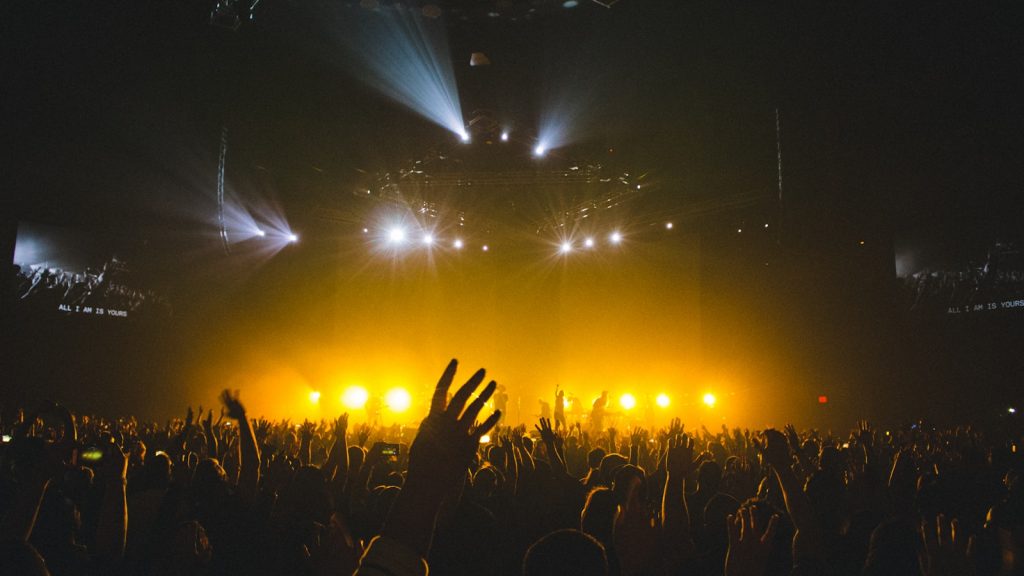
There is a moment at sunrise on a desert stage — the bass is warm, a kalimba pattern flickers over the top, a vocal chant drifts in from somewhere ancient — and every person on the dancefloor is moving with their eyes closed. That feeling has a name. It is called organic house music, and over the past decade it has grown from a loosely defined aesthetic into one of electronic music’s most compelling genres.
If you have ever searched for “organic house” and found vague answers, this is the definitive guide. Below you will find the genre’s origins, its musical anatomy, the artists and labels that shaped it, a head-to-head comparison with related genres, essential tracks, and a look at how BLOND:ISH helped pioneer the sound from underground stages to global festival main stages.
What Is Organic House Music?
Organic house is a subgenre of house music that foregrounds acoustic and world-music instrumentation — hand drums, strings, flutes, kalimbas, singing bowls, and live vocals — layered over deep, hypnotic grooves typically ranging from 118 to 124 BPM. Unlike traditional house, which leans on synthesizers and drum machines, organic house draws its palette from the natural and the human. The production ethos is less about engineering a peak-time drop and more about cultivating a journey: textural, emotional, and often spiritual.
The term gained currency in the mid-2010s as DJs and producers who had been experimenting at the intersection of deep house, afro house, and downtempo began to coalesce around a shared sonic identity. Beatport officially recognized “Organic House / Downtempo” as a genre category in 2020, cementing what listeners and artists had already felt for years.
In short: if deep house is the body and melodic techno is the mind, organic house is the soul.
Origins and Evolution of Organic House
The Roots: World Music Meets Electronic (2000s)
Organic house did not appear from nowhere. Its DNA traces back to several threads:
- Balearic and Ibiza chill-out culture of the 1990s, where DJs like Jose Padilla blended ambient electronics with acoustic world music at Cafe del Mar.
- The deep house renaissance of the late 2000s, led by labels like Innervisions and Visionquest, which reintroduced musicality and warmth into minimal-fatigued dancefloors.
- Burning Man and desert festival culture, where the environment demanded music that breathed — long sets, slow builds, and a connection to the earth rather than the club.
The Crystallization (2010–2016)
By the early 2010s, a handful of artists and events began defining what would become organic house:
- Lee Burridge launched All Day I Dream in 2011 as a daytime party series in New York. Its sound — dreamy, melodic, emotionally rich house with acoustic textures — became the template that many associate with organic house today.
- Damian Lazarus founded Crosstown Rebels (2003) and later the Day Zero festival at the Mayan ruins of Tulum, where indigenous instruments and ceremony merged with electronic production.
- BLOND:ISH (Vivie-Ann Bakos) emerged from the Montreal underground and quickly became known for DJ sets that wove African percussion, Middle Eastern melodies, and Latin rhythms into deep, driving house. Her early releases on Kompakt and Supplement Facts signaled a producer who refused to separate electronic music from its acoustic roots.
Beatport Recognition and Mainstream Growth (2017–Present)
As streaming platforms and festival lineups increasingly featured the sound, the genre outgrew its niche. Beatport’s 2020 addition of the “Organic House / Downtempo” category was the formal acknowledgement, but by then the movement had already spawned dedicated stages at Burning Man, Tulum’s Zamna, and Ibiza’s DC-10.
Today, organic house is one of the fastest-growing search terms in electronic music, with global monthly search volume climbing steadily. It represents not just a sound but a philosophy: music that reconnects the digital dancefloor with something older and more human.
Musical Characteristics: What Makes Organic House Sound the Way It Does
Tempo and Rhythm
Organic house sits comfortably between 118 and 124 BPM — slower than peak-time tech house, faster than downtempo. The kick drum is typically soft and round, often layered with organic percussion: djembe, darbuka, congas, shakers, and frame drums. Swing and shuffle are common; the groove breathes rather than hammers.
Instrumentation and Sound Design
This is the genre’s defining trait. Expect to hear:
- Kalimba and marimba — crystalline melodic patterns that have become almost synonymous with the sound
- Hang drum and handpan — metallic, resonant tones that evoke both steel drum and gamelan
- Oud, sitar, and kora — string instruments drawn from Middle Eastern, South Asian, and West African traditions
- Wooden and bamboo flutes — ney, bansuri, shakuhachi
- Live vocals and chants — often in non-English languages, sampled or performed, lending a ceremonial quality
- Singing bowls and nature recordings — rain, birdsong, ocean waves woven into the mix
Arrangement and Structure
Organic house tracks tend toward longer arrangements (six to nine minutes is standard). The arc is gradual: layers are introduced slowly, builds are patient, and drops are replaced by gentle lifts. Silence and space are used as instruments. The goal is a sustained emotional state rather than a series of climaxes.
Production Philosophy
Producers in this space frequently combine modern DAWs with field recordings, live instrumentation, and analog processing. There is an emphasis on warmth, imperfection, and tactile texture — the crackle of vinyl, the breath before a vocal take, the room sound of a recorded instrument. This stands in deliberate contrast to the clinical precision of minimal techno or big-room EDM.
Key Organic House Artists
The artists below have been instrumental in defining, popularizing, and evolving the organic house sound. This is not an exhaustive list, but it represents the genre’s core.
BLOND:ISH
Vivie-Ann Bakos, performing as BLOND:ISH, is one of the most influential organic house DJs and producers working today. Based between Ibiza, Tulum, and the global festival circuit, she has built a career on the principle that electronic music should feel alive.
Her productions blend afro house percussion, Middle Eastern melodic structures, and deep house foundations into tracks that are simultaneously cerebral and visceral. Key releases include Wizard of Love (Disco Halal, 2020), her remix work on Crosstown Rebels, and the Welcome to the Present EP on Abracadabra.
Beyond production, BLOND:ISH founded Abracadabra, a record label and events platform that has become one of organic house’s most important tastemaker outlets. She is also a vocal advocate for sustainability in the music industry, founding the Bye Bye Plastic initiative to eliminate single-use plastics at festivals and venues worldwide.
Her DJ sets — frequently stretching to four, six, or eight hours — are masterclasses in organic house storytelling: journeys that move through downtempo, afro house, melodic house, and peak-time organic grooves without ever losing their thread. explore more
Bedouin
The duo of Tamer Malki and Rami Abousabe draw directly from their Middle Eastern heritage, layering Arabic vocals, oud, and percussion over deep, driving grooves. Their Saga Festival in Tulum and their releases on Crosstown Rebels helped define the cinematic end of organic house.
Damian Lazarus
A godfather figure of the movement. Through Crosstown Rebels and the Day Zero events, Lazarus created the cultural and commercial infrastructure that allowed organic house to flourish. His own productions with The Ancient Moons blend spoken word, world instrumentation, and deep house into something ritualistic.
Lee Burridge
If one person can be credited with giving organic house its emotional center, it is Burridge. His All Day I Dream parties and label established the dreamy, sun-drenched, melodically rich template that many organic house producers reference. His marathon DJ sets are studies in patience and arc.
Nicola Cruz
The Ecuadorian producer brings Andean and South American folk traditions into electronic music with a level of authenticity and depth that sets him apart. Albums like Prender el Alma (2015) and Siku (2019) are landmark organic house records, though Cruz himself often transcends genre labels.
Oceanvs Orientalis
Turkish producer and multi-instrumentalist whose work fuses Anatolian and Mesopotamian musical traditions with contemporary electronic production. A fixture of the organic house and downtempo scenes, especially in the Tulum and Ibiza circuits.
Acid Pauli
Martin Gretschmann produces psychedelic, sample-heavy organic house that pulls from global folk, ambient, and leftfield house. His track Nana became a defining anthem of the genre.
Other Essential Organic House Artists
- Hraach — Armenian ambient-organic crossover
- Viken Arman — cinematic, emotionally charged productions
- Matthias Meyer — Watergate resident blending deep and organic
- YokoO — All Day I Dream mainstay
- Bebetta — melodic, organic-tinged deep house
- Goldcap — desert vibes and world instrumentation
- Holmar — Icelandic producer with ethereal textures
Key Organic House Labels
Labels have been essential to organic house’s development, providing curatorial identity and a quality benchmark.
| Label | Founded | Key Sound | Notable Artists |
|---|---|---|---|
| Abracadabra | 2019 | Afro-organic, world-influenced house | BLOND:ISH, various |
| All Day I Dream | 2011 | Dreamy, melodic organic house | Lee Burridge, YokoO, Viken Arman |
| Crosstown Rebels | 2003 | Eclectic deep/organic house | Damian Lazarus, Bedouin, Art Department |
| Sol Selectas | 2014 | Desert-inspired organic house | Sabo, Goldcap |
| Disco Halal | 2016 | Middle Eastern-influenced house | Moscoman, Acid Arab, BLOND:ISH |
| Cafe De Anatolia | 2020 | Anatolian and oriental organic | Billy Esteban, Oceanvs Orientalis |
| Do Not Sit On The Furniture | 2013 | Deep organic, Miami-based | Behrouz, various |
Organic House vs. Related Genres: A Comparison
One of the most common questions about organic house is how it differs from the genres it neighbors. The table below clarifies the distinctions.
| Feature | Organic House | Melodic House & Techno | Afro House | Deep House |
|---|---|---|---|---|
| Typical BPM | 118–124 | 120–128 | 120–130 | 118–125 |
| Dominant Instruments | Acoustic: kalimba, hand drums, strings, flutes | Synthesizers, pads, arpeggios | African percussion, vocals, synths | Rhodes, pads, warm bass |
| Energy Level | Medium, contemplative | Medium-high, driving | High, percussive | Low-medium, groovy |
| Vocal Style | Ethnic/world chants, non-English | Ethereal, processed | Call-and-response, African languages | Soulful, R&B-influenced |
| Key Labels | All Day I Dream, Abracadabra | Afterlife, Diynamic | MoBlack, Nulu | Defected, Lazy Days |
| Dancefloor Context | Sunrise sets, daytime parties | Peak-time, festivals | Peak-time, Afro-centric events | Late night, intimate clubs |
| Production Focus | Texture, space, acoustic warmth | Melody, progression, atmosphere | Rhythm, energy, call-and-response | Groove, bass, warmth |
| Cultural References | Global/world music, spiritual | European electronic tradition | African diasporic traditions | American soul, jazz, garage |
Where They Overlap
These genres are not sealed boxes. BLOND:ISH, for instance, frequently bridges organic house and afro house in a single track. Bedouin’s work sits at the intersection of organic house and melodic techno. The genre map is a spectrum, and the most interesting artists tend to live at the intersections.
Essential Organic House Tracks: A Starter Playlist
These tracks represent the genre’s range and evolution. Each one is a reference point.
- Acid Pauli — “Nana” (2014) — The track that introduced thousands to organic house. A nine-minute journey built on a looped vocal sample and patient percussion.
- Bedouin — “Whisper” (2017, Crosstown Rebels) — Arabic-tinged deep house with oud and vocal chants over a relentless groove.
- BLOND:ISH — “Wizard of Love” (2020, Disco Halal) — A hypnotic blend of afro percussion and deep basslines that exemplifies BLOND:ISH’s genre-bridging approach. explore more
- Nicola Cruz — “Cumbia del Olvido” (2015, ZZK Records) — South American folk electronics at their most potent.
- Lee Burridge & Lost Desert — “Somebody” (2018, All Day I Dream) — The quintessential All Day I Dream track: aching melody, warm pads, and a groove that never rushes.
- Damian Lazarus & The Ancient Moons — “Vermillion” (2016, Crosstown Rebels) — Spoken word, cinematic strings, and ritualistic percussion.
- Hraach — “Ararat” (2017, All Day I Dream) — Armenian duduk over warm house pads. Deeply emotional and culturally specific.
- Oceanvs Orientalis — “Tarlabasi” (2015, Wonderwheel) — Anatolian melodies fused with deep electronic production.
- Viken Arman — “Fading Memory” (2019, All Day I Dream) — Cinematic, string-laden organic house at its most romantic.
- Goldcap — “Be Here Now” (2020, Sol Selectas) — Desert-festival organic house distilled to its essence.
BLOND:ISH: Pioneer of the Organic House Movement
It is impossible to tell the story of organic house without placing BLOND:ISH at its center. Vivie-Ann Bakos did not merely adopt the genre — she helped build it.
From Montreal to the World Stage
BLOND:ISH’s journey began in the Montreal underground scene, where she developed a style that refused to conform to a single genre tag. Early releases on Kompakt and Supplement Facts in the early 2010s showed a producer fluent in deep house, minimal, and tech house. But it was her DJ sets — eclectic, risk-taking, and deeply musical — that set her apart. She was playing African records alongside German minimal at a time when most DJs stayed rigidly in lane.
Building Abracadabra
In 2019, BLOND:ISH launched Abracadabra as both a label and an event series. The concept was simple and radical: a platform for music that transcended genre boundaries, rooted in world culture and organic sound design. Abracadabra quickly became a home for producers working at the intersection of afro house, organic house, and melodic house — exactly the crossover space that defines where the genre is heading.
The label’s releases, parties in Ibiza and Tulum, and showcases at festivals like BPM and Zamna have made Abracadabra one of the most important curatorial forces in organic house. explore more
Sustainability as Sonic Identity
BLOND:ISH’s commitment to sustainability through Bye Bye Plastic is not separate from her music — it is an extension of the same philosophy. Organic house, at its best, is music that reconnects humans with the natural world. BLOND:ISH’s activism ensures that the environments where this music is experienced — festivals, clubs, beaches — reflect that ethos. explore more
The Live Experience
A BLOND:ISH DJ set is organic house in its purest form. Her extended sets (often four to eight hours) are structured as journeys, moving through downtempo openers, deep organic grooves, afro house peaks, and melodic closings. She incorporates live percussion, collaborates with instrumentalists, and curates an atmosphere that feels more like ceremony than performance.
For upcoming events: explore more
Where to Hear Organic House Live
Organic house thrives in specific environments. If you want to experience the genre at its best, seek out:
- All Day I Dream events — Daytime parties in cities worldwide (New York, London, Los Angeles, Barcelona)
- Zamna Tulum — The jungle venue that has become organic house’s spiritual home
- Day Zero — Damian Lazarus’s annual event at Mayan ruins in Tulum
- Abracadabra showcases –‘s events in Ibiza, Tulum, and on global tour explore more
- Burning Man — The desert festival’s sunrise sets are organic house’s origin myth
- DC-10, Ibiza — Circoloco has increasingly featured organic and afro house artists
- Scorpios, Mykonos — A sunset venue built for this sound
Frequently Asked Questions About Organic House Music
What is organic house music?
Organic house is a subgenre of house music characterized by the use of acoustic and world-music instrumentation — such as kalimba, hand drums, flutes, strings, and live vocals — layered over deep, hypnotic grooves at 118–124 BPM. It emphasizes texture, warmth, and emotional journey over high-energy drops. The genre draws from global musical traditions and was formally recognized by Beatport in 2020.
How is organic house different from deep house?
While both genres share warm, groovy foundations, organic house distinguishes itself through its use of acoustic and world-music instruments (kalimba, djembe, oud, flute) rather than the synthesized pads, Rhodes keyboards, and soulful vocals typical of deep house. Organic house also tends to draw from global folk traditions rather than American soul and jazz.
Who are the most popular organic house artists?
The most influential organic house artists include BLOND:ISH, Bedouin, Lee Burridge, Damian Lazarus, Nicola Cruz, Acid Pauli, Oceanvs Orientalis, and Hraach. BLOND:ISH and Lee Burridge are widely regarded as the genre’s most important figures, both as producers and as the founders of key labels (Abracadabra and All Day I Dream, respectively).
What BPM is organic house music?
Organic house typically ranges from 118 to 124 BPM. This places it slower than tech house (124–130 BPM) and melodic techno (120–128 BPM) but in a similar range to deep house. The tempo supports the genre’s contemplative, journey-oriented character.
Is organic house the same as melodic house?
No. While there is overlap, organic house and melodic house are distinct. Melodic house (sometimes called melodic techno) relies primarily on synthesizers, arpeggios, and electronic pads to create its emotional impact. Organic house achieves a similar emotional depth but through acoustic and world-music instruments. Melodic house tends to be higher energy and more driving; organic house is more textural and contemplative.
What labels release organic house music?
The most important organic house labels include All Day I Dream (Lee Burridge), Abracadabra (BLOND:ISH), Crosstown Rebels (Damian Lazarus), Sol Selectas, Disco Halal, and Cafe De Anatolia. Each label has a distinct curatorial identity within the broader genre.
Where can I hear organic house music live?
The best environments for organic house are daytime and sunrise events. Key experiences include All Day I Dream parties (worldwide), Zamna Tulum, Day Zero (Tulum), Abracadabra showcases (Ibiza, global), and sunrise sets at Burning Man. In Ibiza, venues like DC-10 and various beach clubs regularly feature organic house DJs. explore more
Discover Organic House with BLOND:ISH
Organic house is more than a genre — it is a movement that reconnects electronic music with the acoustic, the human, and the natural. And no artist embodies that mission more completely than BLOND:ISH.
Explore her music, catch an upcoming set, or dive into the Abracadabra catalog to hear where organic house is heading next.
- [Explore BLOND:ISH’s Music]explore more
- [See Upcoming Events]explore more
- [Learn About Abracadabra]explore more
- [Read More in the Journal]explore more