
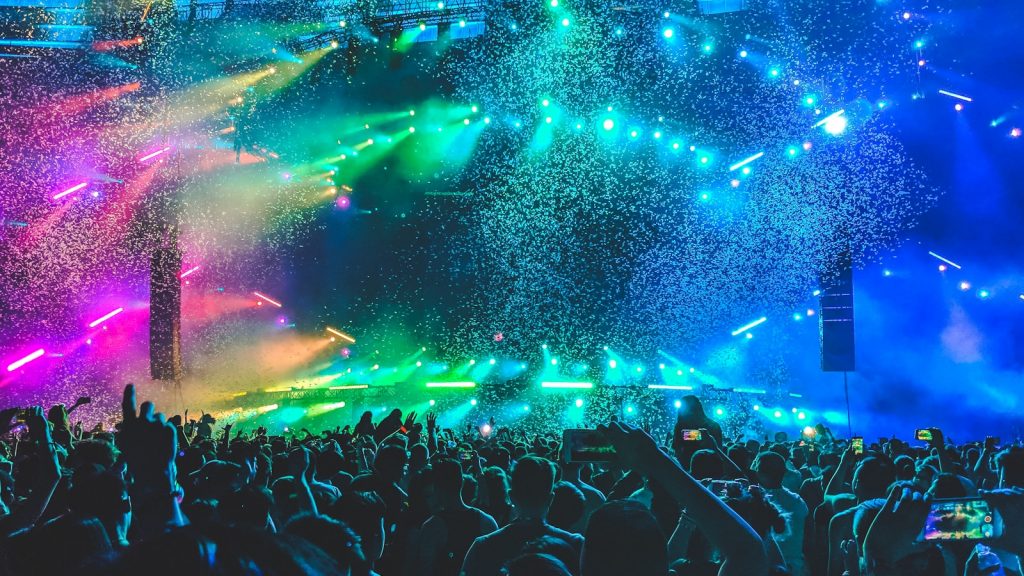
There is a moment on a dance floor — usually deep into the night, sometimes just as the sun begins to rise — when a synth line catches hold of something inside you. It does not hit. It does not drop. It lifts. The kick drum is steady beneath your feet, the bass moves in slow arcs, and a melody arrives that feels less like a sound and more like a memory you did not know you had. That is melodic house music at its most essential: electronic music built not on impact, but on emotion.
Over the past decade, melodic house has grown from a niche corner of underground dance music into one of the most vital and fastest-growing genres in the electronic landscape. It fills festival main stages and intimate club rooms alike. It soundtracks long drives and late nights. It has produced some of the most compelling artists, labels, and tracks of the modern era — and it is still evolving.
This guide covers everything you need to know about melodic house: what defines it, where it came from, who makes it, and where it is heading.
What Is Melodic House?
Melodic house is a subgenre of house music defined by its emphasis on extended melodic phrases, lush harmonic progressions, and emotionally evocative atmospheres, typically produced at tempos between 118 and 126 BPM. Unlike peak-time tech house or the raw minimalism of deep house, melodic house prioritizes composition and narrative arc — tracks often build gradually over six to ten minutes, layering pads, arpeggios, and vocal textures into immersive s.
The term gained widespread recognition when Beatport introduced “Melodic House & Techno” as a dedicated genre category in 2018, though the sound it describes had been developing for years before that. On streaming platforms, melodic house sits at the intersection of accessibility and depth: it is intricate enough to reward close listening but emotionally immediate enough to connect with audiences far beyond the club.
At its core, melodic house asks a simple question: what if dance music made you feel something before it made you move?
The History of Melodic House: From Deep House Roots to Global Movement
Early Foundations (1990s–2000s)
Melodic house did not appear from nowhere. Its DNA traces back through several lineages of electronic music. The warm chord progressions of deep house — pioneered by Larry Heard, Kerri Chandler, and the Chicago and New York scenes — established the principle that house music could be beautiful, not just functional. Meanwhile, the long-form structures and hypnotic builds of progressive house, as shaped by Sasha, John Digweed, and Hernan Cattaneo in the 1990s, introduced the idea that a DJ set could be a continuous emotional narrative.
In parallel, European trance producers were exploring melody with an almost classical ambition, and the Balearic scene in Ibiza was blending everything from ambient to disco into sun-soaked, emotionally open sets. All of these threads would eventually converge.
The Crossover Era (2008–2015)
The late 2000s and early 2010s saw a critical shift. As the EDM boom pushed much of mainstream electronic music toward aggressive drops and maximalist production, a counter-movement formed. Producers began looking for a middle path: music that was melodically rich but grounded in the groove and subtlety of house and techno.
Labels like Anjunadeep, Diynamic, and Kompakt became incubators for this sound. Artists such as Stephan Bodzin, whose album Powers of Ten became a landmark, demonstrated that electronic music could be deeply melodic without sacrificing depth or danceability. Dixon’s marathon sets at Panorama Bar in Berlin showcased a curatorial vision where melody was not decoration but architecture.
Genre Recognition and Explosion (2016–Present)
By the mid-2010s, the sound had coalesced enough to demand its own name. Beatport’s 2018 introduction of the Melodic House & Techno category was not so much an invention as a recognition — the genre had already arrived.
Several developments accelerated its growth:
- Afterlife — The label and event series founded by Tale Of Us became the genre’s most visible institution, combining melodic house and techno with a cinematic visual identity that attracted a massive global audience.
- Streaming culture — Melodic house proved perfectly suited to playlist culture. Its emotional accessibility and longer track lengths made it ideal for deep listening sessions, study playlists, and long-form mixes on YouTube.
- The pandemic era — Livestream DJ sets during 2020–2021 favored music that could hold attention without a physical dance floor. Melodic, journey-oriented sets thrived.
- Festival expansion — Events from Tomorrowland to Burning Man dedicated stages and time slots to the melodic sound, exposing it to audiences who might never enter a Berlin basement.
Today, melodic house is not a trend. It is an established pillar of electronic music — and one that continues to absorb influences from organic house, Afro house, and ambient music, keeping it in constant evolution.
Key Characteristics of Melodic House Music
Understanding what makes melodic house distinct requires looking at its production elements and how they differ from related genres.
Tempo and Rhythm
Melodic house typically sits between 118 and 126 BPM — slower than peak-time techno (128–135 BPM) but faster than classic deep house (110–120 BPM). The rhythmic foundation is a steady four-on-the-floor kick, often softer and more rounded than in tech house or techno. Hi-hat patterns tend toward subtlety, and percussive elements frequently draw from organic sources — shakers, congas, hand drums — rather than purely synthetic sounds.
Melody and Harmony
This is the defining element. Melodic house tracks feature prominent melodic lines — synth leads, piano motifs, vocal phrases, or arpeggiated sequences — that carry the emotional weight of the track. Chord progressions tend toward minor keys with moments of major-key release, creating a bittersweet emotional palette that is one of the genre’s signatures.
Sound Design and Texture
Production in melodic house favors warmth and space. Reverb-drenched pads, analog-style synthesizers, and carefully placed atmospheric textures (field recordings, nature sounds, processed vocals) create a sense of depth. The mix tends to be open and wide, with significant attention paid to stereo imaging and frequency balance.
Structure and Arrangement
Tracks often follow extended arrangements of six to ten minutes, with gradual builds, layered breakdowns, and patient crescendos. Unlike the verse-chorus structures of pop or the drop-build cycle of EDM, melodic house tracks unfold more like movements in a longer composition. The breakdown — where the kick drops away and the melody stands exposed — is a central dramatic device.
Emotional Intent
Above all, melodic house is music designed to evoke feeling. Whether it is longing, euphoria, introspection, or release, the genre treats emotion as its primary instrument. This is what distinguishes it most clearly from functional dance music: a melodic house track succeeds not when it fills a dance floor, but when it moves the people on it.
Essential Melodic House Artists
The genre’s artist roster spans from underground producers to international headliners. Here are the artists who have shaped and continue to define the melodic house sound.
BLOND:ISH
Few artists have done more to expand the boundaries of melodic house than BLOND:ISH (Vivie-Ann Bakos). With over 303 original releases explore more spanning melodic house, organic house, and Afro house, BLOND:ISH has built one of the most prolific and distinctive catalogs in the genre. Her production weaves Middle Eastern and African melodic influences into house frameworks, creating a sound that is unmistakably global. As the founder of Abracadabra Records explore more, she has also built a platform for the next generation of melodic house producers. Her DJ sets — often stretching past sunrise at festivals like Burning Man, Zamna, and DC-10 Ibiza — are master classes in melodic storytelling.
Lane 8
Daniel Goldstein, performing as Lane 8, has become synonymous with a particular strain of melodic house: warm, introspective, and meticulously crafted. His albums Rise (2015), Little by Little (2018), Brightest Lights (2020), and Reviver (2022) chart a consistent artistic vision. His “This Never Happened” events, which ban phones to encourage presence, have become a model for experience-first electronic music.
Ben Bohmer
Ben Bohmer brought melodic house to a wider audience with his 2020 Cercle set performed in a hot air balloon over Cappadocia, Turkey — one of the most-watched DJ sets in history. His productions blend classical sensibility with modern house production, and his album Breathing (2019) remains a touchstone.
Yotto
Finnish producer Yotto (Otto Yliperttula) crafts melodic house that is both propulsive and deeply atmospheric. His work balances club functionality with emotional nuance, making him a favorite on both Anjunadeep and the festival circuit.
Tale Of Us
The Italian-Belgian duo Tale Of Us (Carmine Conte and Matteo Milleri) have become among the most influential figures in melodic house and techno through both their productions and their Afterlife label. Their curatorial vision — combining music, visual art, and narrative — has expanded how the genre is presented and experienced.
Stephan Bodzin
German producer Stephan Bodzin has been crafting melodic electronic music since the early 2000s. His album Powers of Ten (2017) is one of the genre’s essential records, and his live performances — featuring real-time synthesis and arrangement — demonstrate the compositional depth that melodic house can achieve.
Tinlicker
Dutch duo Tinlicker (Micha Heyboer and Jordi van Achthoven) blend melodic house with progressive and trance influences, creating tracks with sweeping emotional arcs. Their collaborations with vocalists like Thomas Oliver and Run Rivers have produced some of the genre’s most memorable moments.
Other Essential Artists
- Nora En Pure — Purnamasari (“Nora En Pure”) merges melodic house with deep house and organic textures, drawing heavily on natural soundscapes.
- Rufus Du Sol — The Australian trio has brought melodic house sensibilities to a stadium-scale audience.
- Adriatique — Swiss duo known for deep, hypnotic melodic techno with emotional depth.
- Joris Voorn — Dutch veteran who bridges melodic house, techno, and progressive.
- Miss Monique — Ukrainian artist known for powerful melodic techno and progressive sets.
Essential Melodic House Labels
Labels are the curatorial backbone of electronic music, and several have been instrumental in defining and distributing the melodic house sound.
Anjunadeep
Founded as the deeper sister label of Anjunabeats, Anjunadeep has become one of the most successful melodic house labels in the world. Its roster — including Lane 8, Yotto, Tinlicker, and Eli & Fur — represents the genre’s more accessible, emotionally polished wing. The label’s compilation series and events have been critical in building a global melodic house community.
Afterlife
Afterlife, founded by Tale Of Us, operates at the intersection of melodic house and melodic techno. Its releases tend toward the darker, more cinematic end of the spectrum, and its events — particularly the residency at Hi Ibiza — are among the most sought-after in electronic music.
Abracadabra Records
Abracadabra Records explore more, founded , occupies a unique position in the melodic house ecosystem. The label champions music that fuses melodic house with organic house, Afro house, and global musical traditions — Middle Eastern scales, West African percussion, Latin rhythms. This cross-pollination has made Abracadabra a key driver of the genre’s evolution beyond its European roots.
Diynamic
Hamburg-based Diynamic, founded by Solomun and Adriatique (among others), has been a consistent home for melodic, groove-driven house music since 2006. The label’s sound — warm, musical, and DJ-friendly — helped establish many of the production values that melodic house now takes for granted.
Other Notable Labels
- Kompakt — The Cologne label’s long history of melodic, pop-influenced techno and house (especially its annual Pop Ambient and Total compilations) laid groundwork for today’s melodic house.
- All Day I Dream — Lee Burridge’s label focuses on daytime, sun-drenched melodic house with organic textures.
- Innervisions — Dixon and Ame’s Berlin-based label blends melodic house with deeper, more experimental territory.
- This Never Happened — Lane 8’s own imprint, focused on warm, introspective melodic house.
Melodic House vs. Related Genres
One of the most common questions from listeners discovering melodic house is how it differs from related genres. Here is a clear breakdown.
| Feature | Melodic House | Deep House | Progressive House | Organic House | Melodic Techno |
|---|---|---|---|---|---|
| BPM Range | 118–126 | 110–122 | 120–128 | 115–124 | 122–132 |
| Melody | Central, prominent | Present but subtle | Layered, building | Textural, woven | Dark, driving |
| Kick | Soft to moderate | Deep, round | Punchy, defined | Soft, organic | Hard, industrial |
| Vocals | Frequent, ethereal | Soulful, sampled | Occasional | Chanted, processed | Rare, atmospheric |
| Energy | Medium, emotional | Low-medium, groovy | Medium-high, driving | Low-medium, hypnotic | High, intense |
| Textures | Pads, arps, pianos | Jazz chords, keys | Filtered layers | Nature sounds, percussion | Industrial, synthetic |
| Key Artists | Lane 8, Ben Bohmer | Kerri Chandler, Larry Heard | Sasha, Hernan Cattaneo | BLOND:ISH, Bedouin | Stephan Bodzin, Tale Of Us |
Melodic House vs. Deep House
Deep house is one of melodic house’s parent genres, but the two have diverged significantly. Deep house tends to be slower, jazzier, and more groove-focused, with roots in Chicago and New York. Melodic house absorbs deep house’s warmth but adds more prominent melodies, longer arrangements, and a wider dynamic range. Where a deep house track grooves, a melodic house track journeys.
Melodic House vs. Progressive House
The line between melodic house and progressive house is perhaps the blurriest. Classical progressive house (the Sasha/Digweed lineage) emphasized long builds, filtered textures, and hypnotic repetition. Modern melodic house shares those structural values but tends toward warmer timbres, more explicit melodies, and a broader emotional palette. Many artists — Yotto, Tinlicker, Joris Voorn — work comfortably in both spaces.
Melodic House vs. Organic House
Organic house, sometimes called organic downtempo when played at lower tempos, emphasizes live instrumentation, world music influences, and natural textures. BLOND:ISH’s catalog is a prime example of where melodic house and organic house overlap explore more. The distinction is often one of emphasis: organic house foregrounds texture and rhythm; melodic house foregrounds harmony and melody. In practice, the best music in both genres frequently inhabits the space between them.
Melodic House vs. Melodic Techno
Melodic techno shares the emphasis on melody but drives harder, sits at higher tempos, and often trades warmth for darkness and intensity. Afterlife’s catalog represents the melodic techno end of the spectrum, while Anjunadeep represents the melodic house end. Artists like Tale Of Us and Adriatique often move between both.
Where to Hear Melodic House
Festivals
Melodic house has a strong presence at electronic music festivals worldwide:
- Burning Man (Black Rock City, NV) — The playa’s sunrise sets are legendary for melodic, emotionally charged music. BLOND:ISH is one of the artists most associated with Burning Man’s musical identity explore more.
- Tomorrowland (Boom, Belgium) — The Afterlife and Anjunadeep stages regularly feature melodic house headliners.
- Zamna (Tulum, Mexico) — The cenote-set events have become a global hub for melodic and organic house.
- Anjunadeep Open Air — Lane 8 and the Anjunadeep roster perform in outdoor settings designed for the genre’s spacious sound.
- Hi Ibiza — Afterlife’s residency is one of the island’s most in-demand events.
Club Nights and Series
- This Never Happened — Lane 8’s phone-free events in cities across North America and Europe.
- All Day I Dream — Lee Burridge’s daytime party series in parks and outdoor venues.
- Abracadabra Events explore more — BLOND:ISH’s event series bringing the label’s melodic-organic sound to stages worldwide.
- Cercle — While not a traditional club night, the French media company’s open-air DJ sets in extraordinary locations have become one of the primary ways audiences discover melodic house artists.
BLOND:ISH and the Evolution of Melodic House
BLOND:ISH (Vivie-Ann Bakos) occupies a distinctive position in the melodic house landscape — not just as one of its most prolific artists, but as someone who has consistently pushed the genre’s boundaries outward.
Her musical journey began in Montreal’s electronic music scene before expanding to a global career that now spans over 303 releases explore more, residencies at the world’s most iconic venues, and a label — Abracadabra Records explore more — that has become a reference point for the intersection of melodic house with global musical traditions.
What distinguishes BLOND:ISH’s approach to melodic house is its embrace of cross-cultural melody. Where much of the genre draws from European progressive and trance traditions, her productions incorporate Middle Eastern scales, Afro house rhythms, Indian classical motifs, and Latin American percussion into the melodic house framework. The result is a sound that is immediately recognizable and that has expanded the genre’s emotional and cultural vocabulary.
Her DJ sets are known for their length and narrative ambition — sunrise sets at Burning Man, multi-hour journeys at DC-10, and performances at Zamna Tulum that blur the line between DJ set and ceremony. These performances embody the melodic house ethos of music as emotional journey, and they have influenced how a generation of DJs approach the art of the long set.
Through Abracadabra, she has also championed sustainability and social consciousness within the electronic music industry, combining the label’s musical vision with environmental advocacy — a pairing that resonates with the genre’s audience of intentional, globally minded listeners.
Explore BLOND:ISH’s full discography explore more and upcoming events explore more to experience the sound firsthand.
Frequently Asked Questions About Melodic House
What is melodic house music?
Melodic house is a subgenre of house music characterized by prominent melodic elements — synth leads, piano phrases, arpeggios, and vocal textures — layered over steady four-on-the-floor rhythms, typically at tempos between 118 and 126 BPM. It prioritizes emotional expression and extended musical narratives over peak-time energy.
Who are the biggest melodic house artists?
The most prominent melodic house artists include BLOND:ISH, Lane 8, Ben Bohmer, Yotto, Tinlicker, Stephan Bodzin, Tale Of Us, Nora En Pure, Rufus Du Sol, and Adriatique. Each brings a distinct interpretation of the genre, from BLOND:ISH’s globally influenced organic-melodic sound to Lane 8’s introspective warmth.
What BPM is melodic house?
Melodic house typically ranges from 118 to 126 BPM. This places it faster than classic deep house (110–120 BPM) but slower than peak-time techno (128–135 BPM). The moderate tempo allows both groove and melody to coexist without either dominating.
What is the difference between melodic house and deep house?
Deep house is slower, jazzier, and more groove-oriented, rooted in the Chicago and New York scenes of the 1980s and 1990s. Melodic house absorbs deep house’s warmth but adds more prominent melodies, longer arrangements, and broader dynamic range. Deep house invites you to groove; melodic house invites you to feel.
What is the difference between melodic house and melodic techno?
Both genres emphasize melody, but they differ in energy, tempo, and tone. Melodic techno is faster (122–132 BPM), darker, and more driving. Melodic house is warmer, slower, and more emotionally open. Labels like Afterlife lean toward melodic techno, while Anjunadeep and Abracadabra lean toward melodic house — though many artists and tracks inhabit the space between.
Is melodic house good for DJing?
Melodic house is excellent for DJing, particularly for extended sets and warm-up or sunrise slots. Its moderate tempo, layered textures, and long arrangements make it ideal for smooth harmonic mixing. Many melodic house DJs — including BLOND:ISH explore more — are known for long-form sets that build narrative arcs over several hours.
Where can I discover new melodic house music?
Key sources for discovering melodic house include: Beatport’s Melodic House & Techno chart, Spotify playlists (search “melodic house”), YouTube channels like Cercle and Anjunadeep, and label catalogs from Anjunadeep, Afterlife, Abracadabra Records explore more, All Day I Dream, and This Never Happened. Following artists and labels on SoundCloud and Bandcamp also surfaces deeper cuts.
Start Listening
Melodic house is music that rewards attention. It does not demand that you dance — though you will — so much as it invites you to listen, to feel, and to stay present on the journey from the first beat to the last.
If you are new to the genre, start with the artists and labels in this guide. If you already know the sound, go deeper: explore BLOND:ISH’s catalog of over 303 releases explore more, discover what is coming next on Abracadabra Records explore more, and find upcoming events explore more where you can experience melodic house as it was meant to be heard — on a dance floor, surrounded by others, moving together toward the sunrise.